
$11.6 million for a watch face
In August 2026 the British courts ordered Samsung to pay the Swatch Group 11.6 million dollars over smartwatch faces sold by third parties. No watch changed hands: what was costed was the value of a name.
Watchmaking decoded, beyond the press release.
In August 2026 the British courts ordered Samsung to pay the Swatch Group 11.6 million dollars over smartwatch faces sold by third parties. No watch changed hands: what was costed was the value of a name.
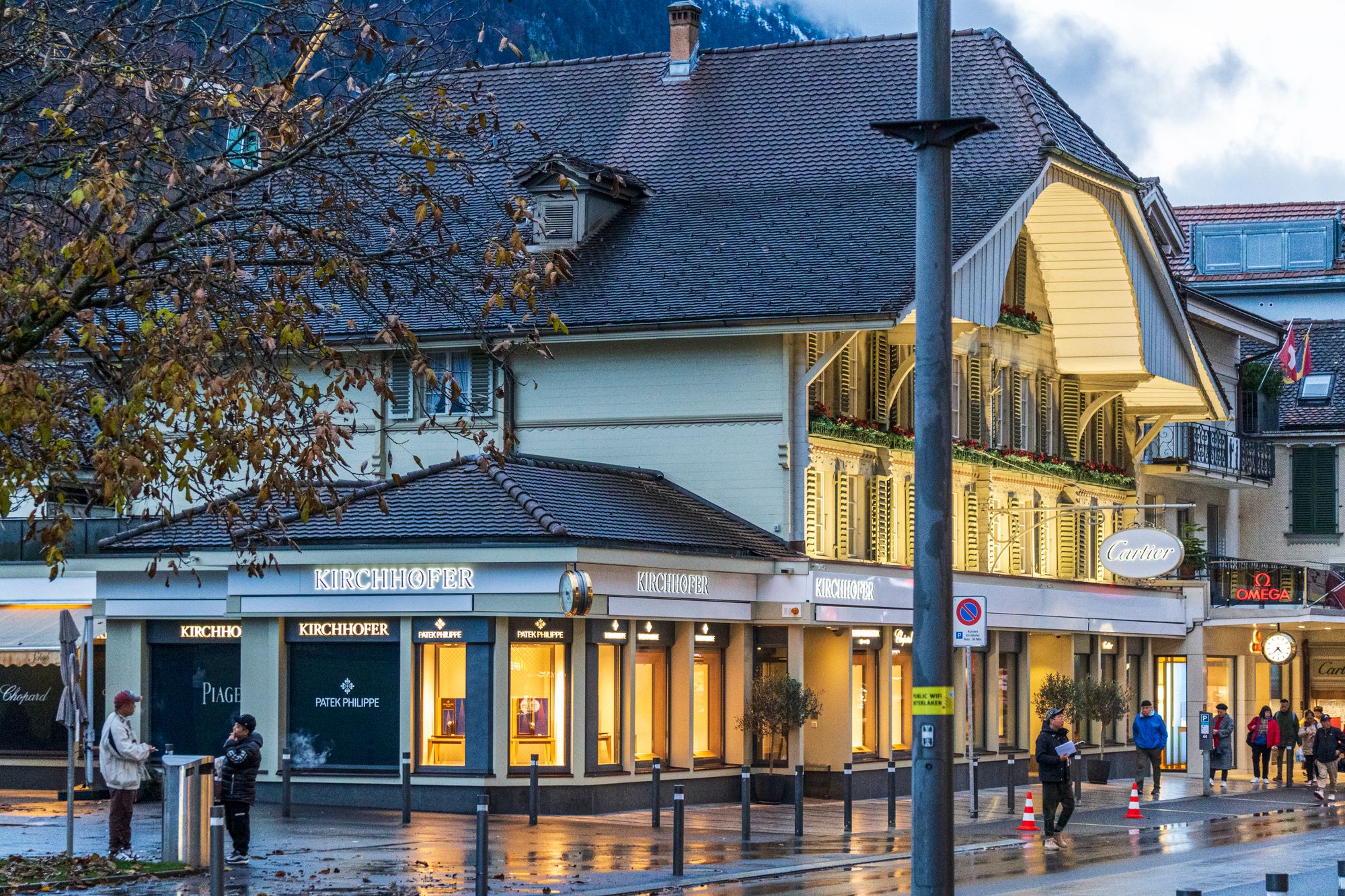
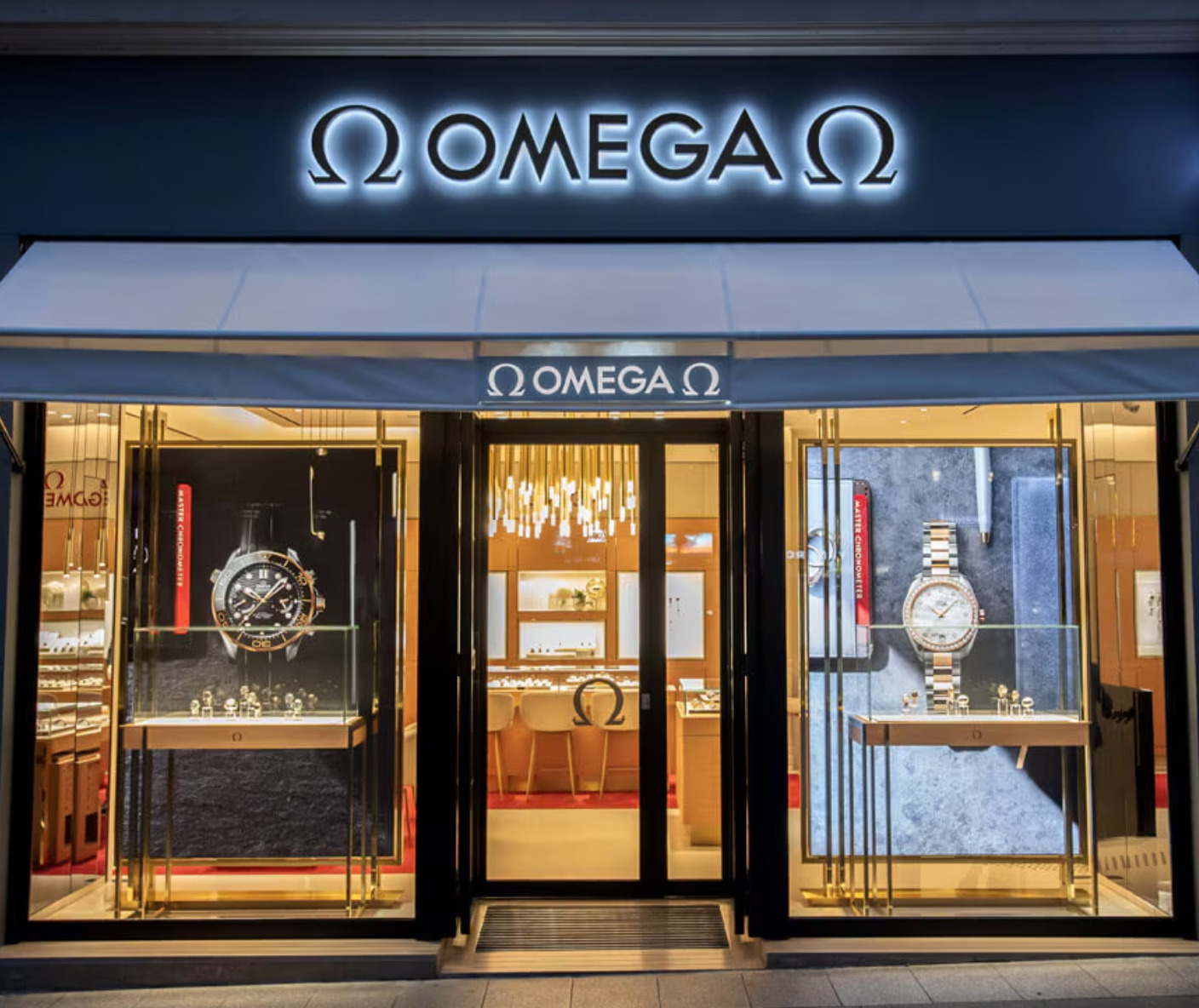
The market pays more for a takeover rumour than for a record year, and the head of Watches of Switzerland says out loud that his trade is undervalued. Behind a watch shop window there are now three businesses with nothing left in common. Second part of a series on a two-speed industry.

The Federal Council has extended short-time working in watchmaking to two years. While the subcontractors of the Jura arc shed jobs, the groups that own the brands are raising their dividends. First part of a series on a two-speed industry.
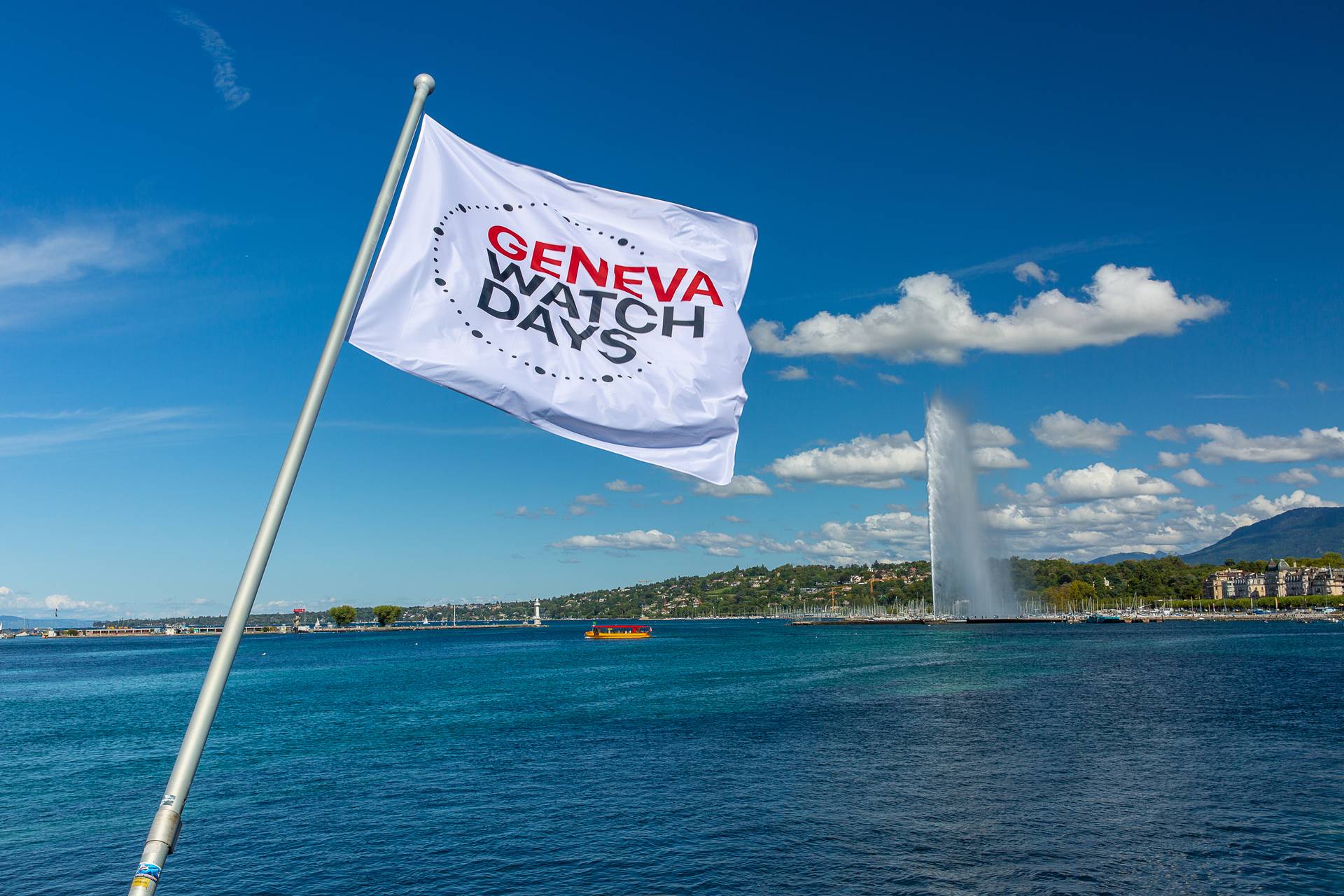
Since 2020 Geneva has hosted two watch gatherings five months apart, one free and open to all, the other professional and steered by the largest houses. What their coexistence says about the sector.
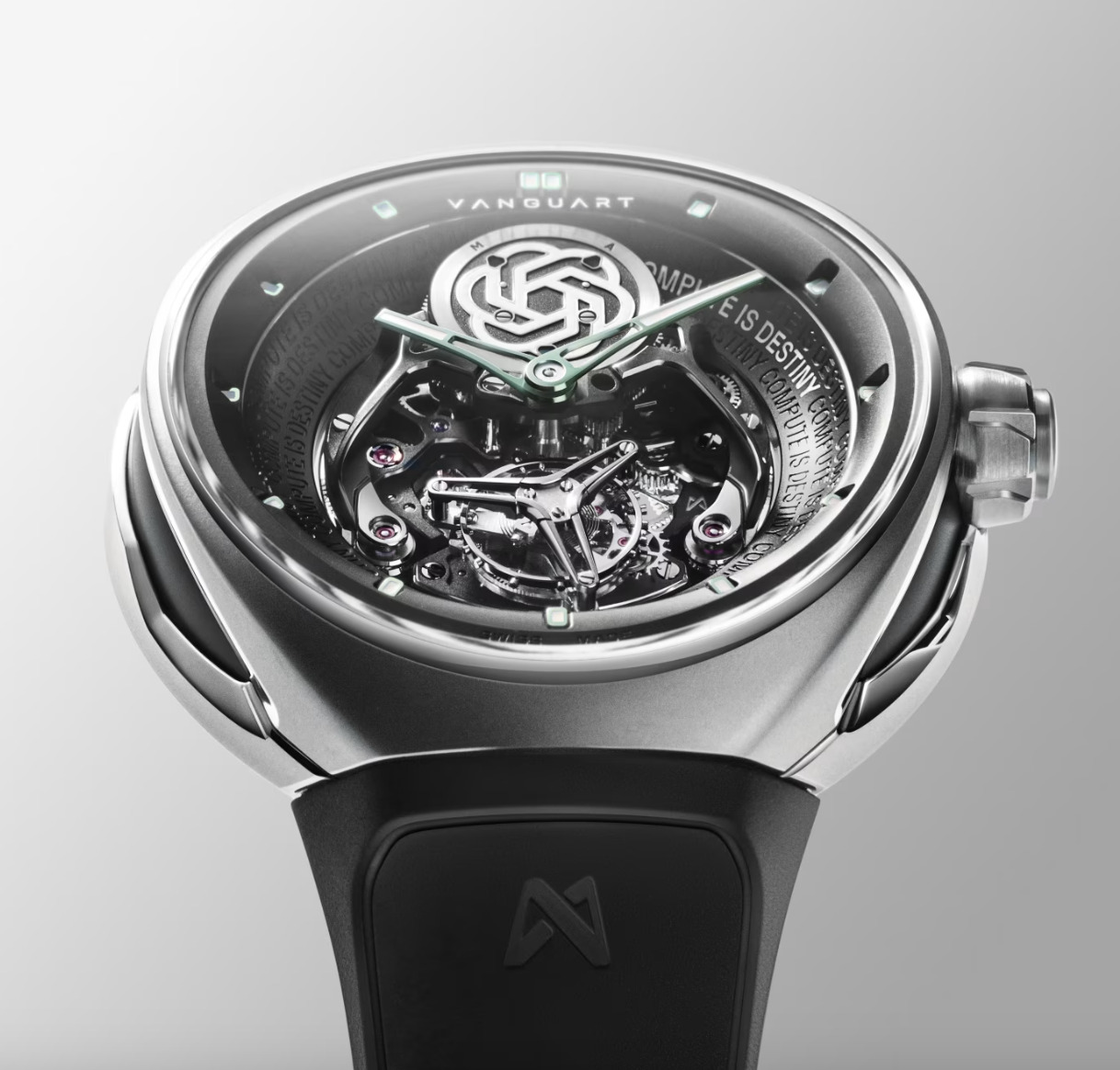
OpenAI had Tudors engraved for its researchers. In two generations the watch given by an employer has gone from the twenty-five-year jubilee to a badge of belonging resold at auction, and Swiss watchmakers have found a customer in it.
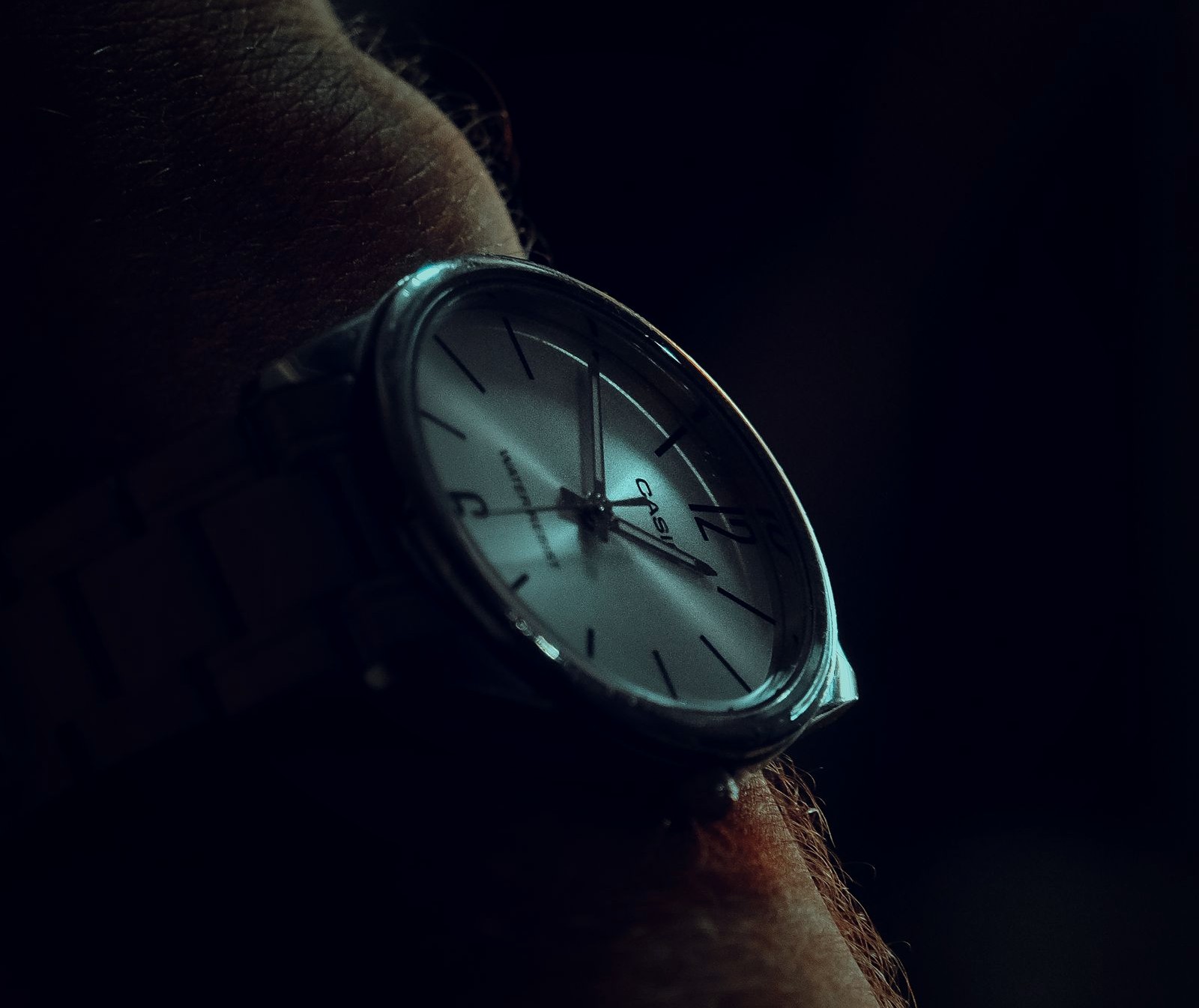
In fifteen years Swiss watchmaking halved its volumes and left the entry level to the Apple Watch and the Japanese. Does the rebound of the first half of 2026 change anything?
Swatch Group lines up sixteen brands but really runs only one. Inside a locked conglomerate, between Morgan Stanley's dark snapshot and the rebound of the first half of 2026.
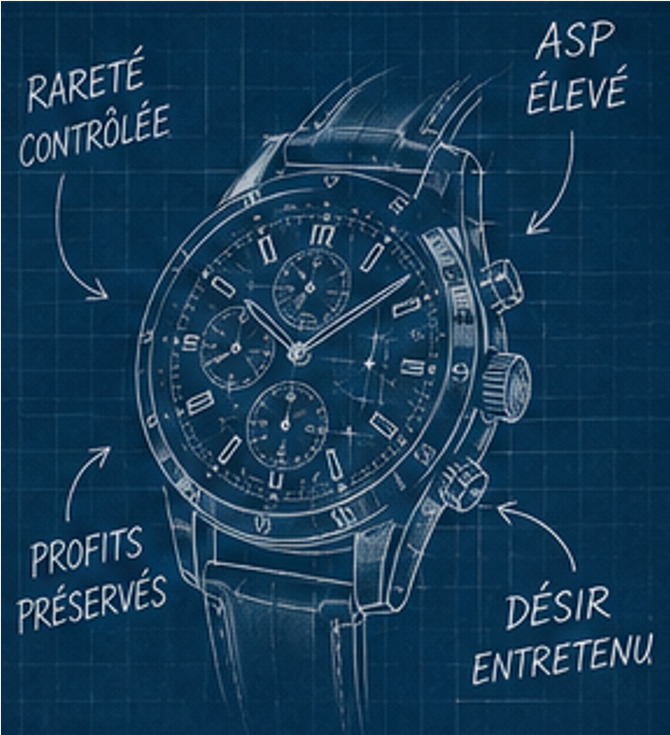
Four privately held houses take three quarters of Swiss watchmaking profit. Inside a sector where selling less has become the better business.