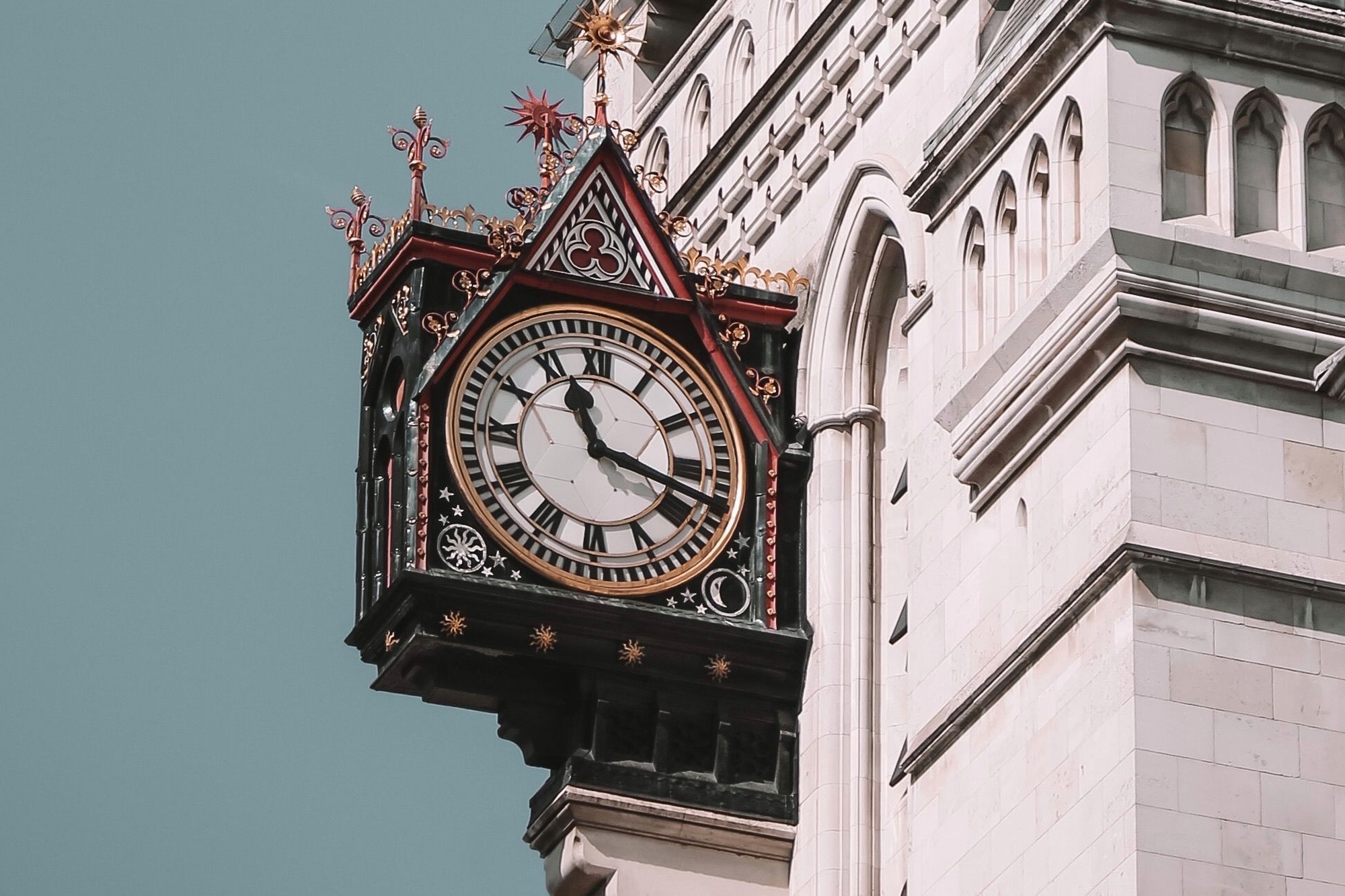
$11.6 million for a watch face
In August 2026 the British courts ordered Samsung to pay the Swatch Group 11.6 million dollars over smartwatch faces sold by third parties. No watch changed hands: what was costed was the value of a name.
Watchmaking decoded, beyond the press release.
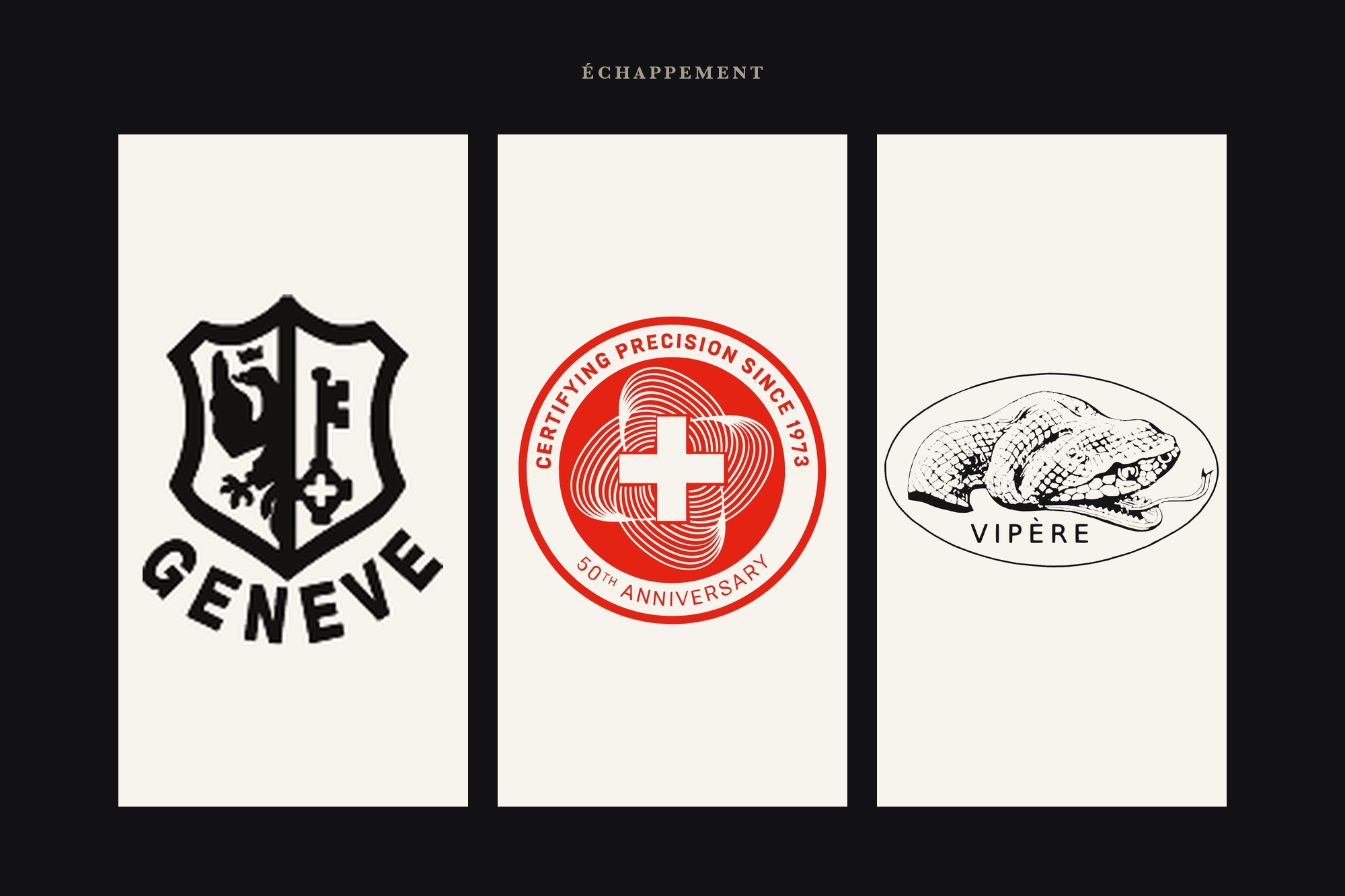
Five certifications now circulate on Swiss and French dials. They do not test the same object, the same quality, or anything like the same number of watches. What each one measures, and what it leaves out.
In August 2026 the British courts ordered Samsung to pay the Swatch Group 11.6 million dollars over smartwatch faces sold by third parties. No watch changed hands: what was costed was the value of a name.
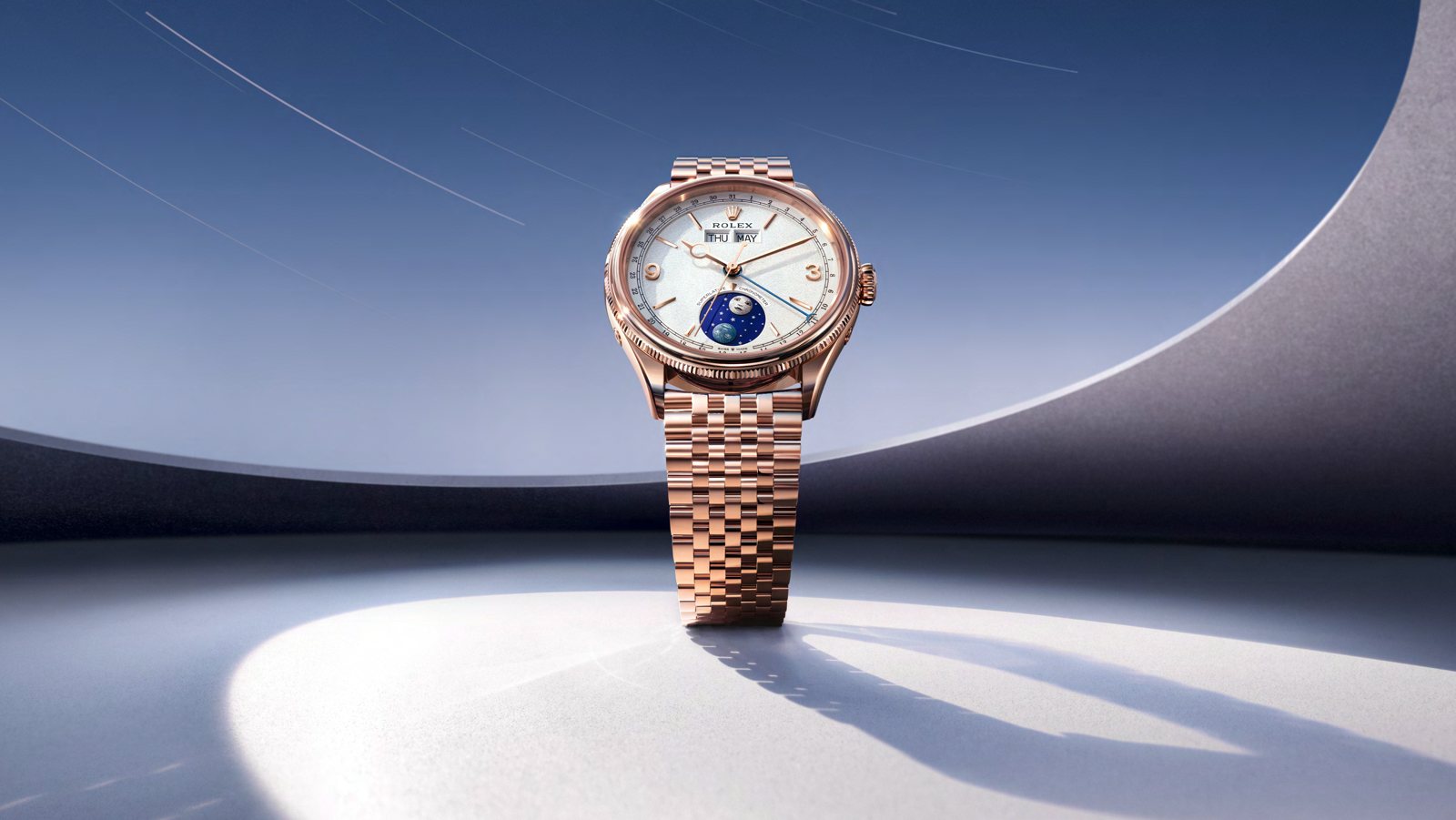
With the Perpetual Padellone, a full annual calendar driven by a new calibre, Rolex pushes its non-sporting range a little further. The bet comes off, and it comes off without disowning anything of the house.
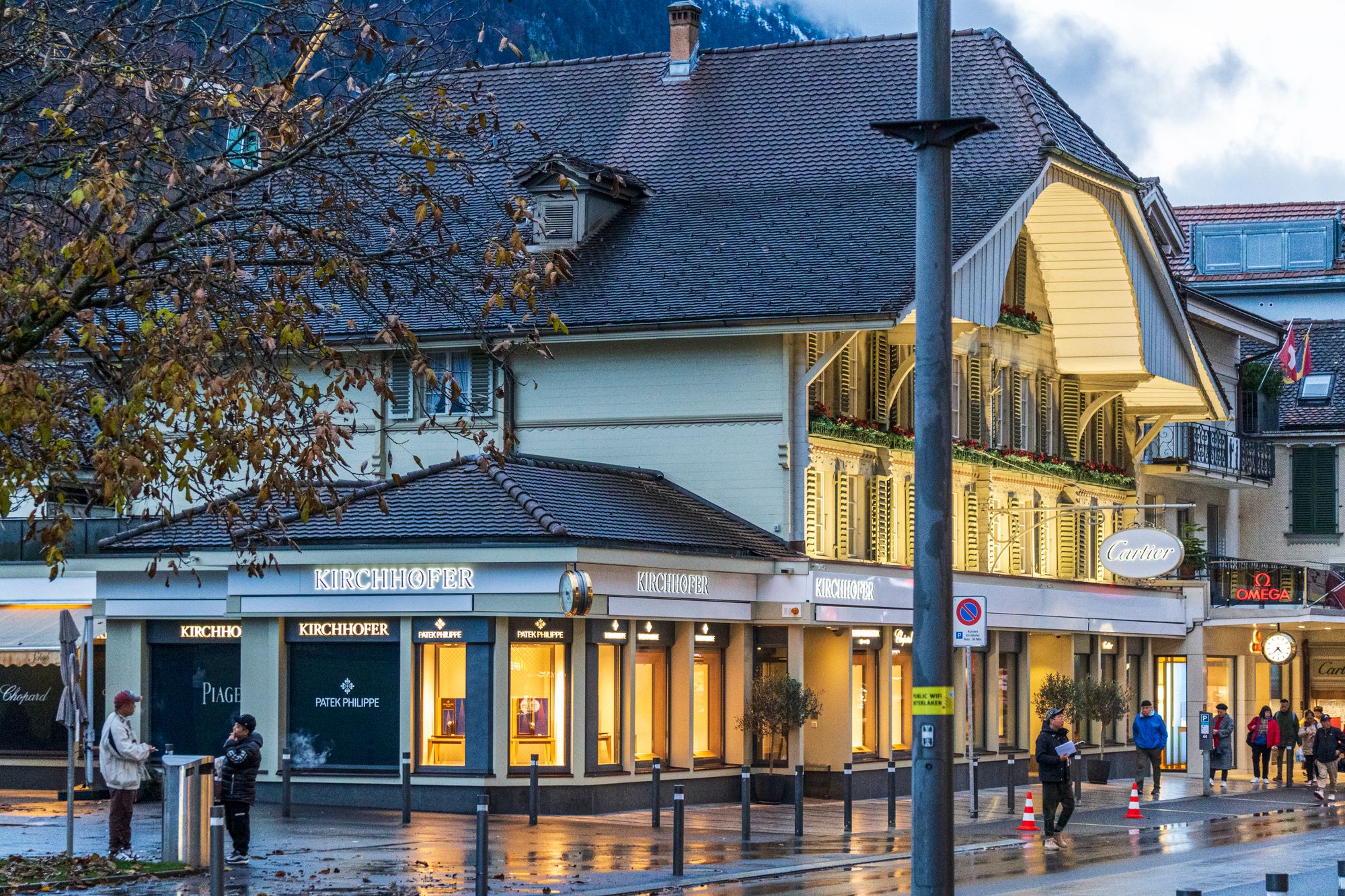
The market pays more for a takeover rumour than for a record year, and the head of Watches of Switzerland says out loud that his trade is undervalued. Behind a watch shop window there are now three businesses with nothing left in common. Second part of a series on a two-speed industry.
The Federal Council has extended short-time working in watchmaking to two years. While the subcontractors of the Jura arc shed jobs, the groups that own the brands are raising their dividends. First part of a series on a two-speed industry.
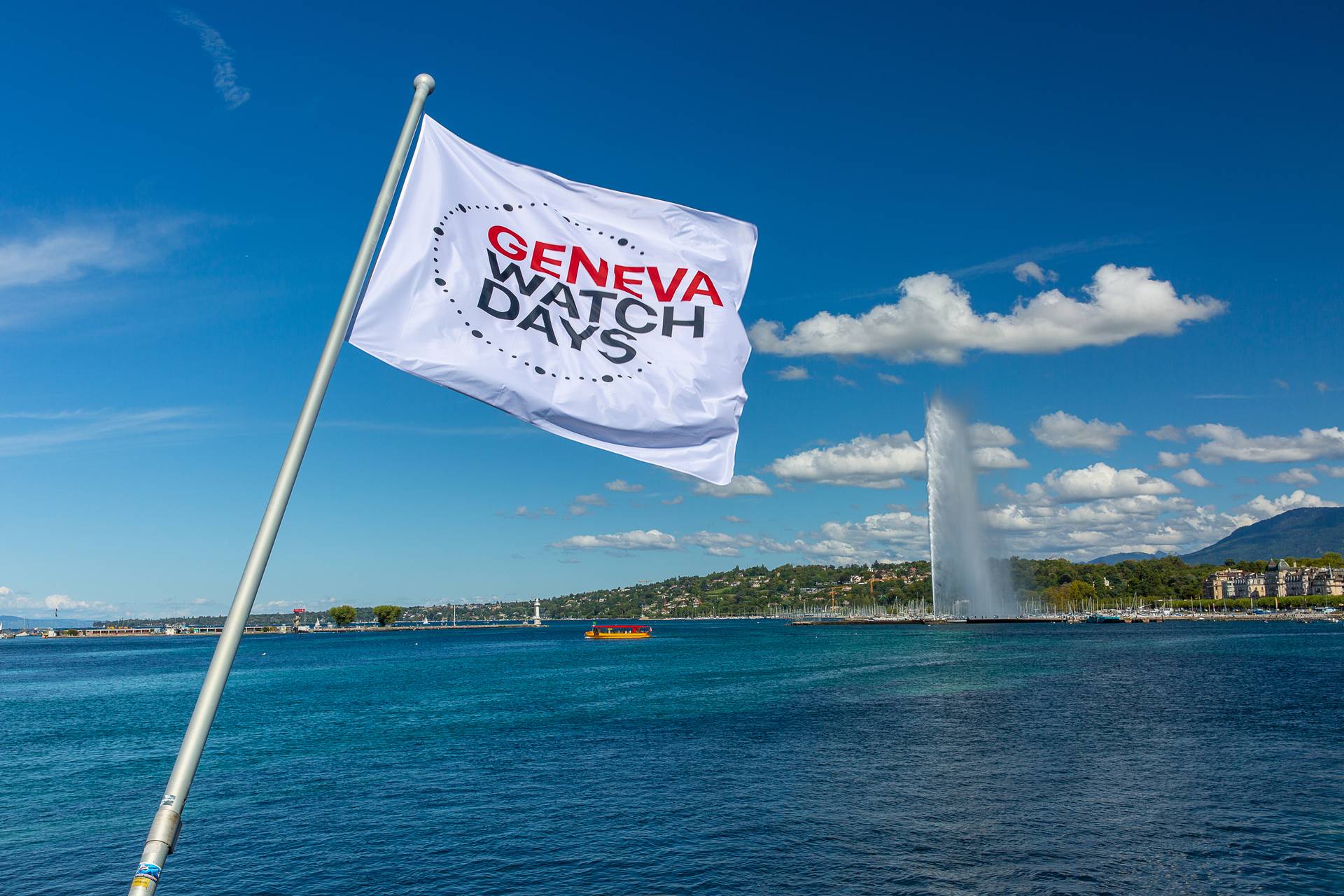
Since 2020 Geneva has hosted two watch gatherings five months apart, one free and open to all, the other professional and steered by the largest houses. What their coexistence says about the sector.
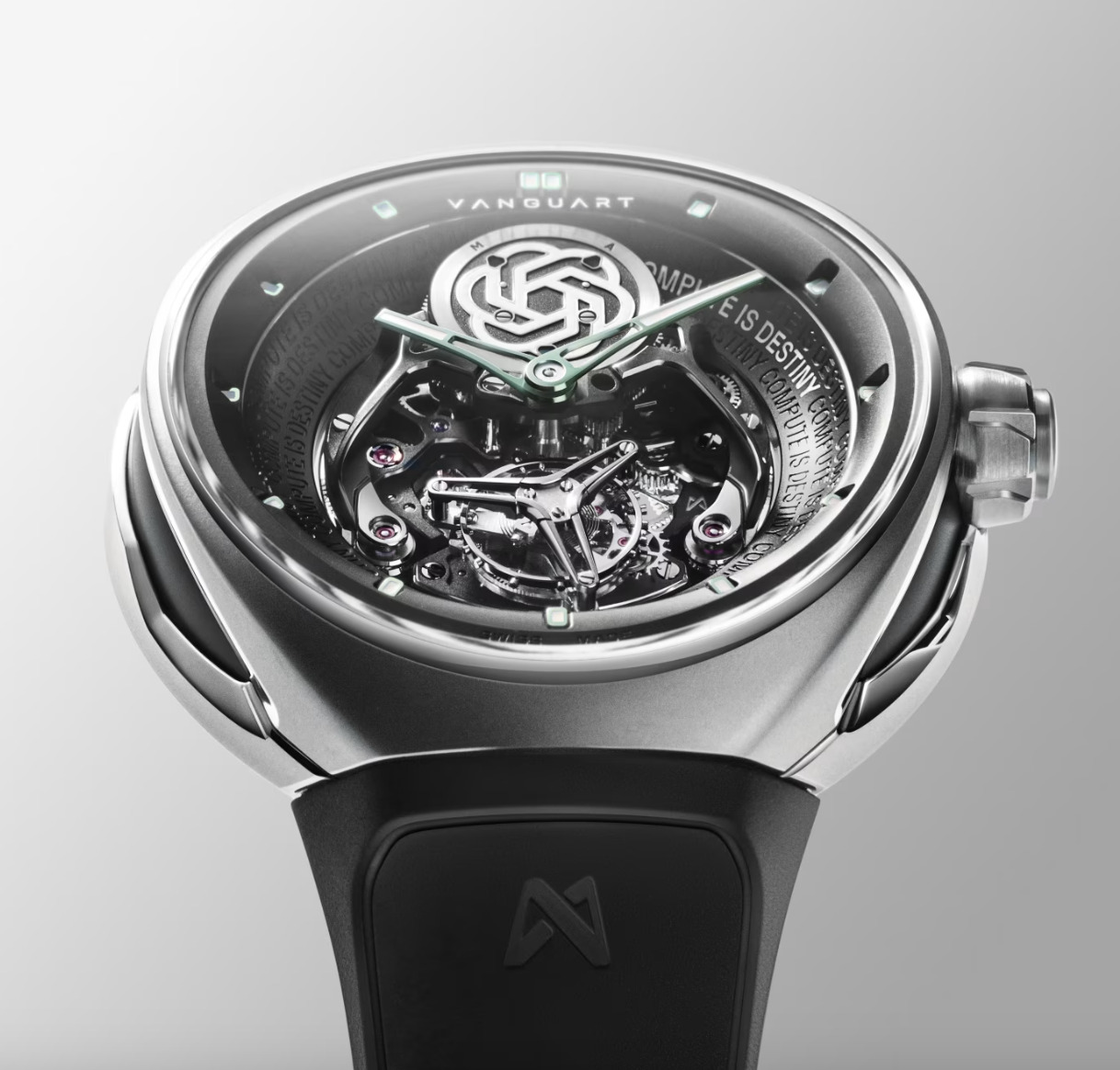
OpenAI had Tudors engraved for its researchers. In two generations the watch given by an employer has gone from the twenty-five-year jubilee to a badge of belonging resold at auction, and Swiss watchmakers have found a customer in it.
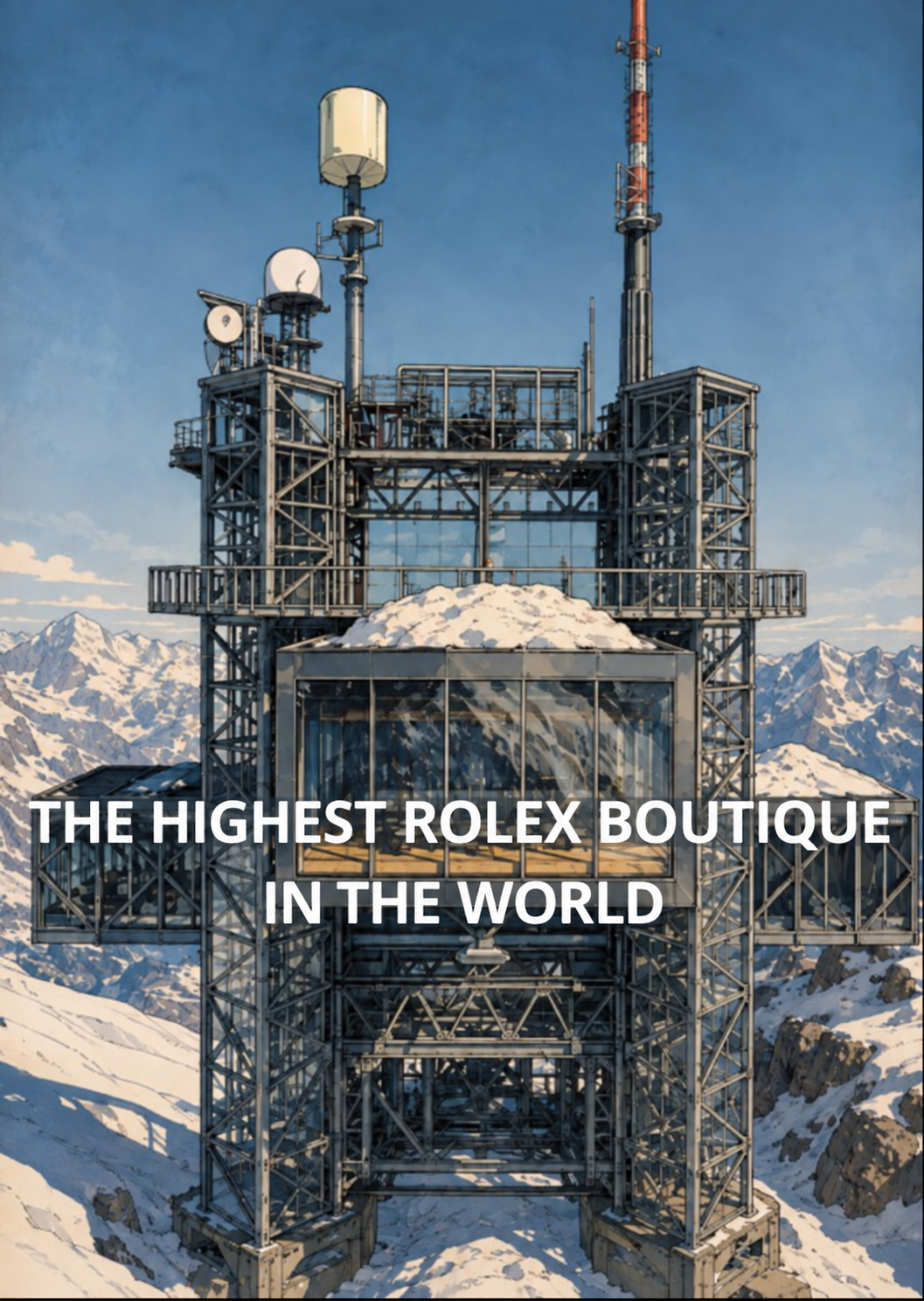
In June 2026 Bucherer opened the highest Rolex boutique in the world at the summit of the Titlis, 3,020 metres up, in a tower designed by Herzog & de Meuron.
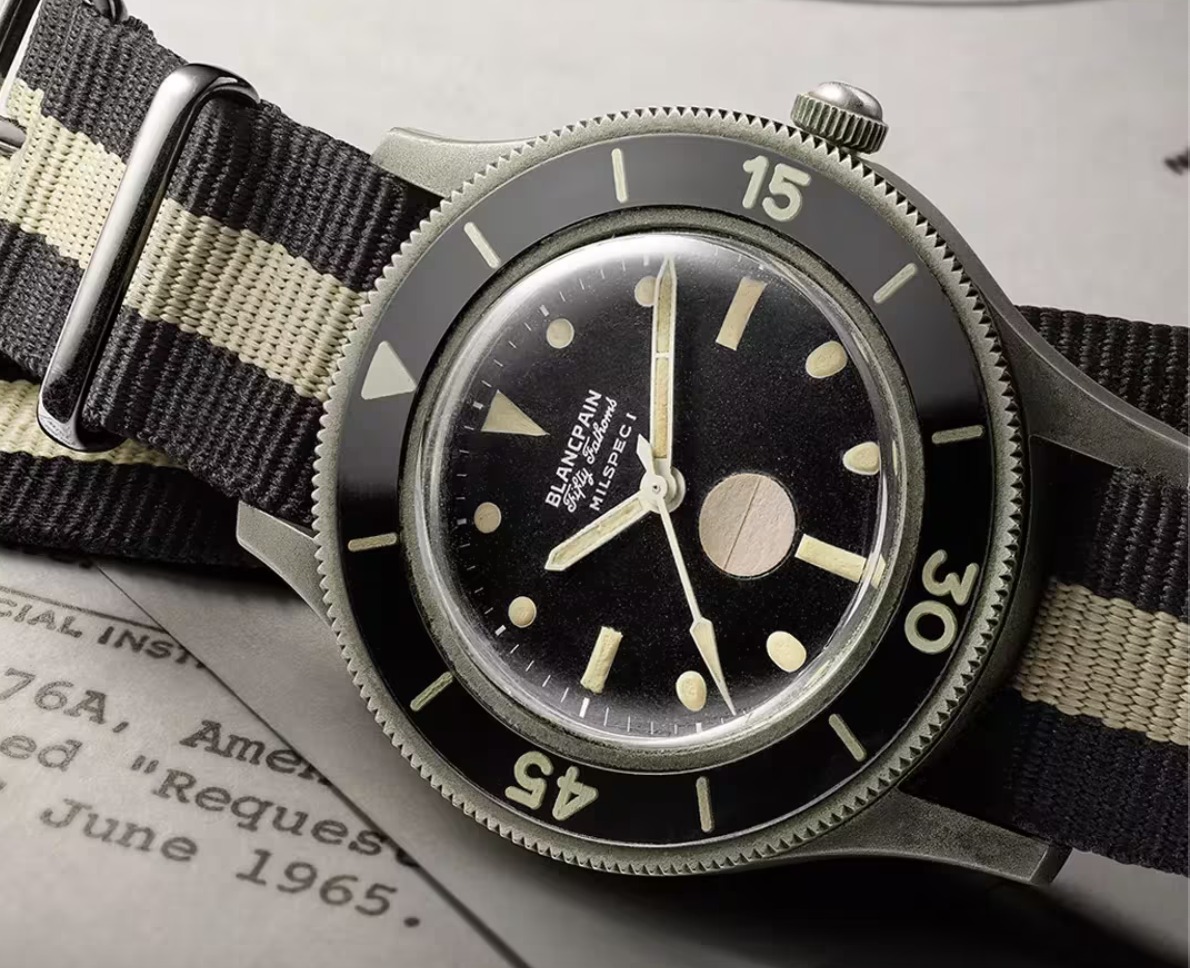
Two watches born in 1953 to stop a diver dying. Seventy years later they are worn dry, under a shirt cuff. The story of a function that became a sign.
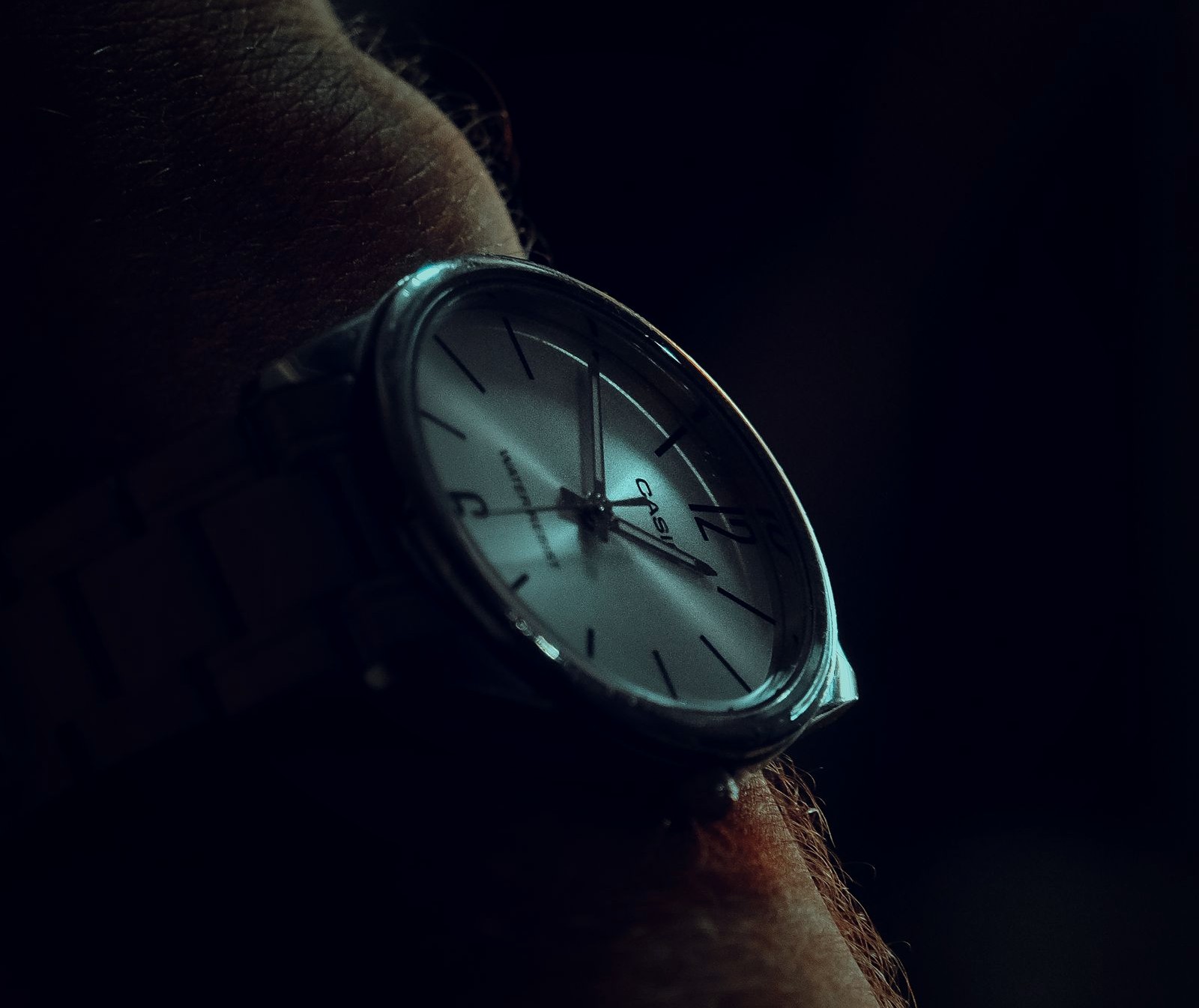
In fifteen years Swiss watchmaking halved its volumes and left the entry level to the Apple Watch and the Japanese. Does the rebound of the first half of 2026 change anything?
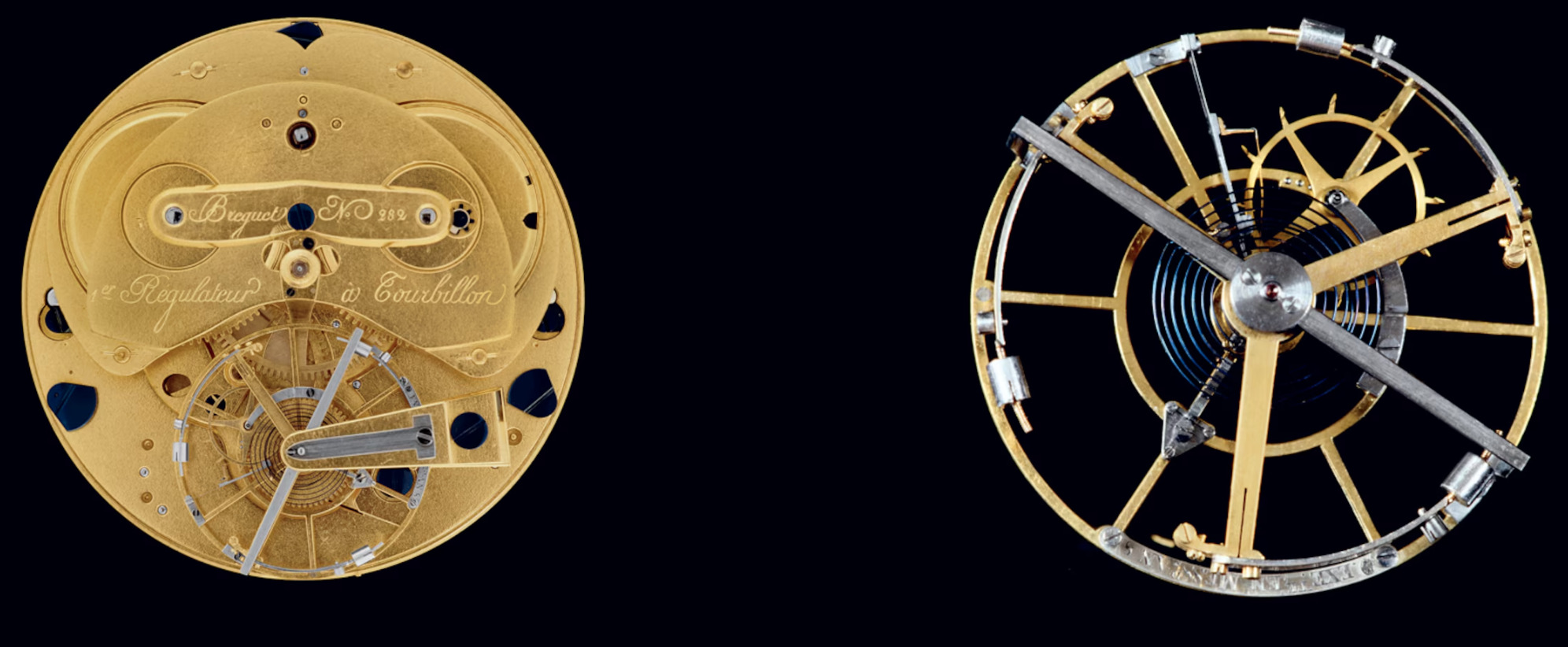
In 1801 Breguet patented the tourbillon to correct the effect of gravity on pocket watches. Two centuries later it is of almost no use and costs a fortune. The story of a gap.
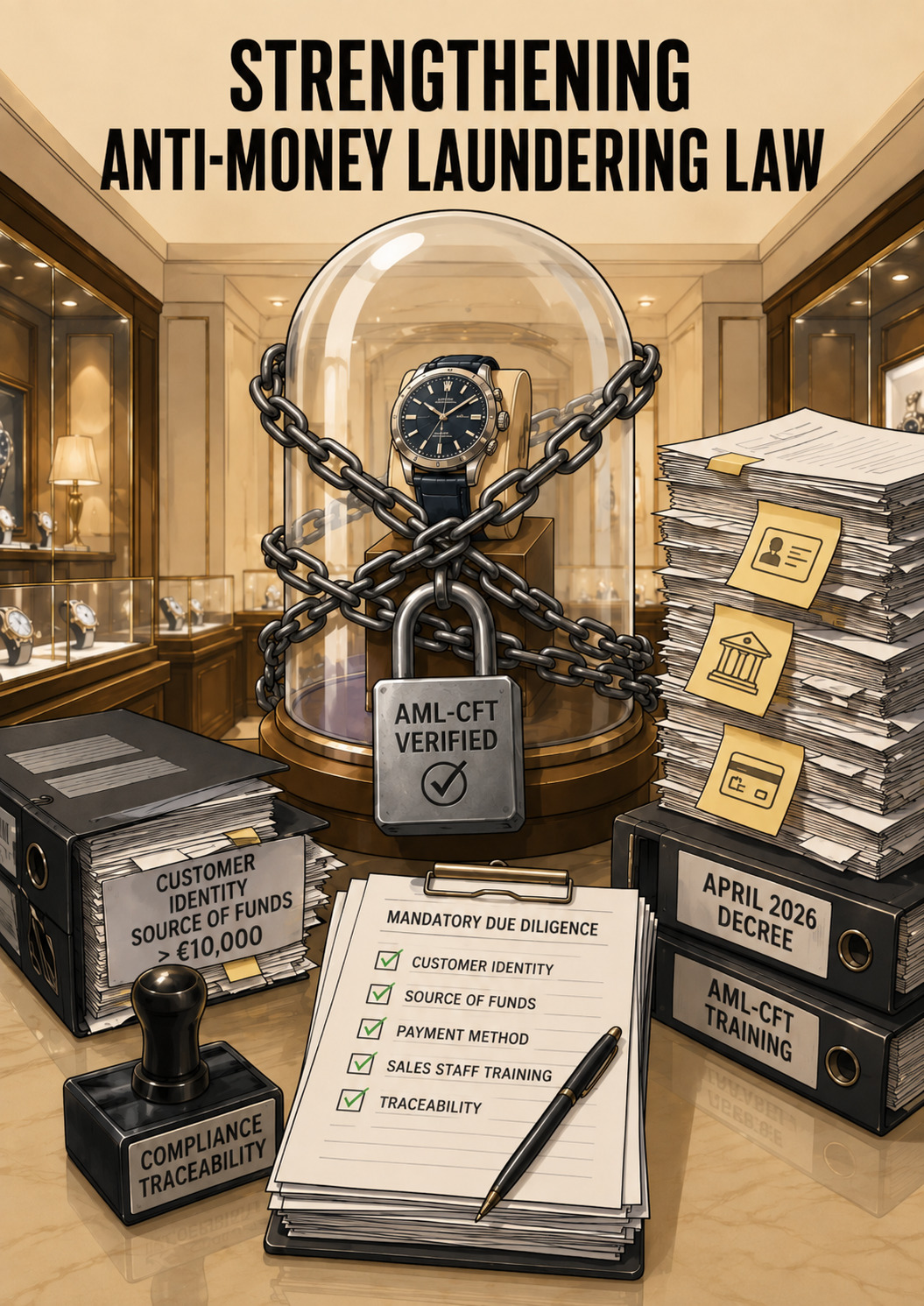
Since 5 August 2026, French watch and jewellery retailers have had to verify the identity and the source of funds for any sale above 10,000 euros, whatever the means of payment.
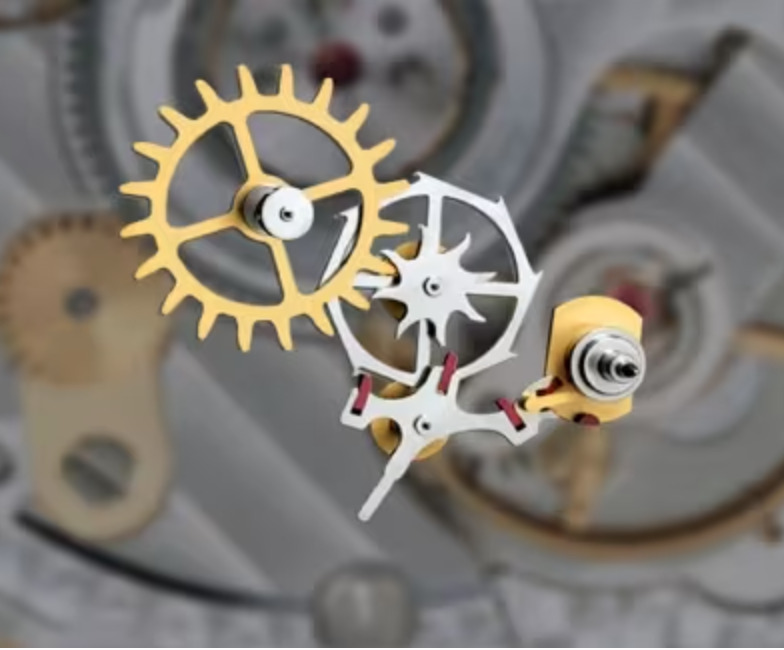
For two and a half centuries every mechanical watch has beaten thanks to the same organ, the lever escapement, and its unavoidable drop of oil. In the 1970s a solitary English watchmaker invented something better. The Swiss industry took twenty years to deign to listen, until Omega industrialised it in 1999.
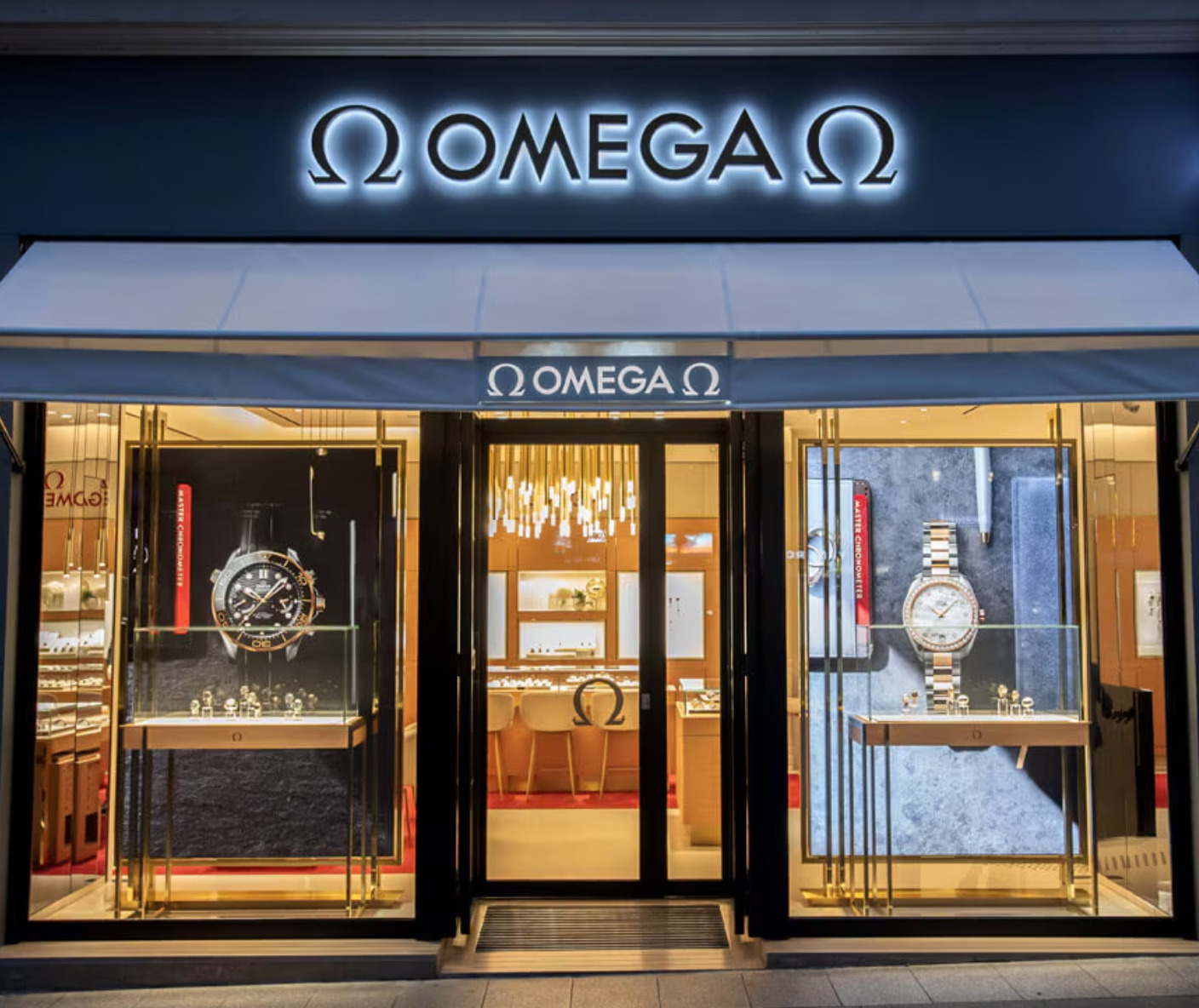
Swatch Group lines up sixteen brands but really runs only one. Inside a locked conglomerate, between Morgan Stanley's dark snapshot and the rebound of the first half of 2026.
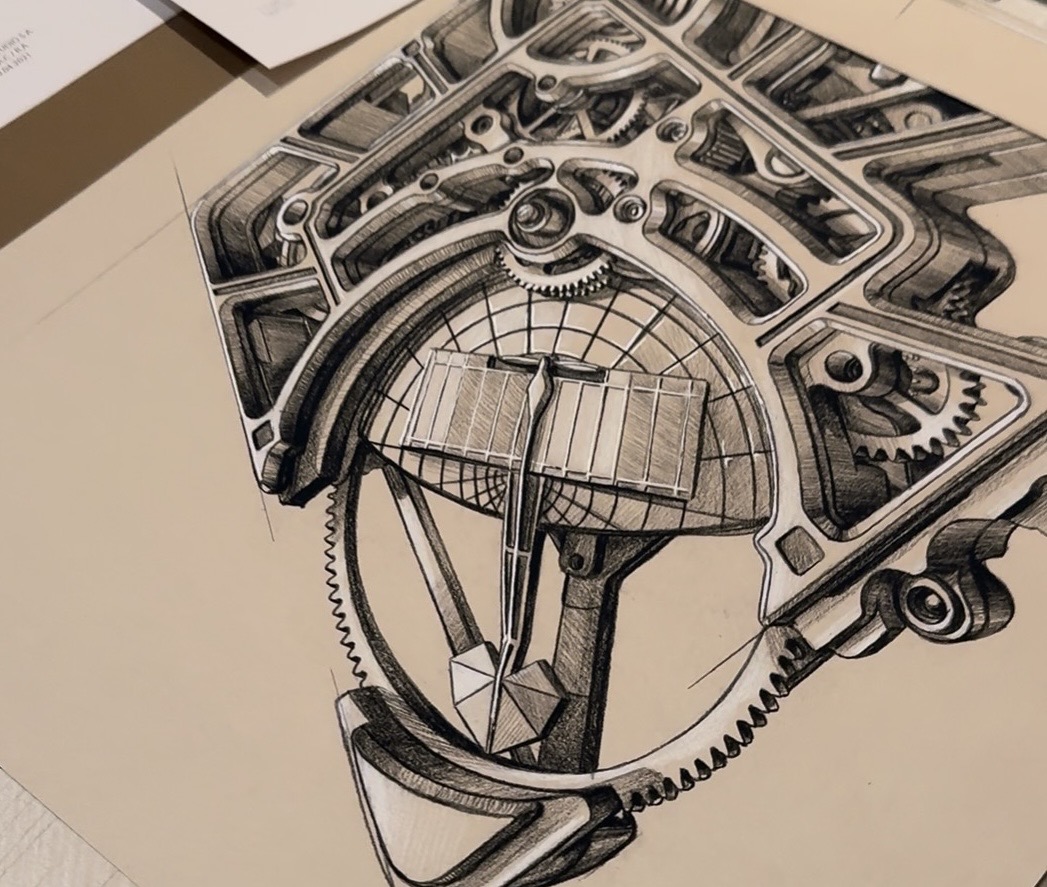
In 1904 an aviator could not read the time without letting go of his airship's controls. The jeweller of the place Vendôme strapped a watch to his arm. How a need born in the air took the watch out of the pocket.
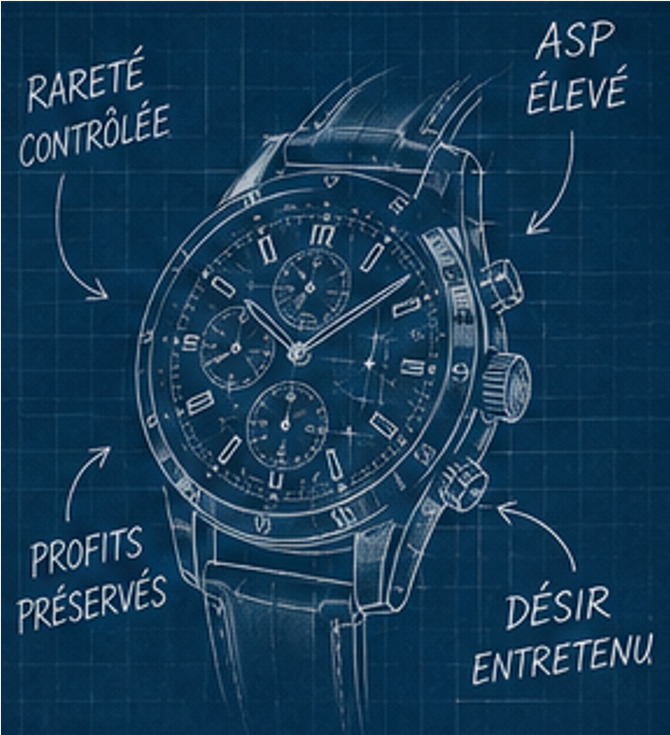
Four privately held houses take three quarters of Swiss watchmaking profit. Inside a sector where selling less has become the better business.
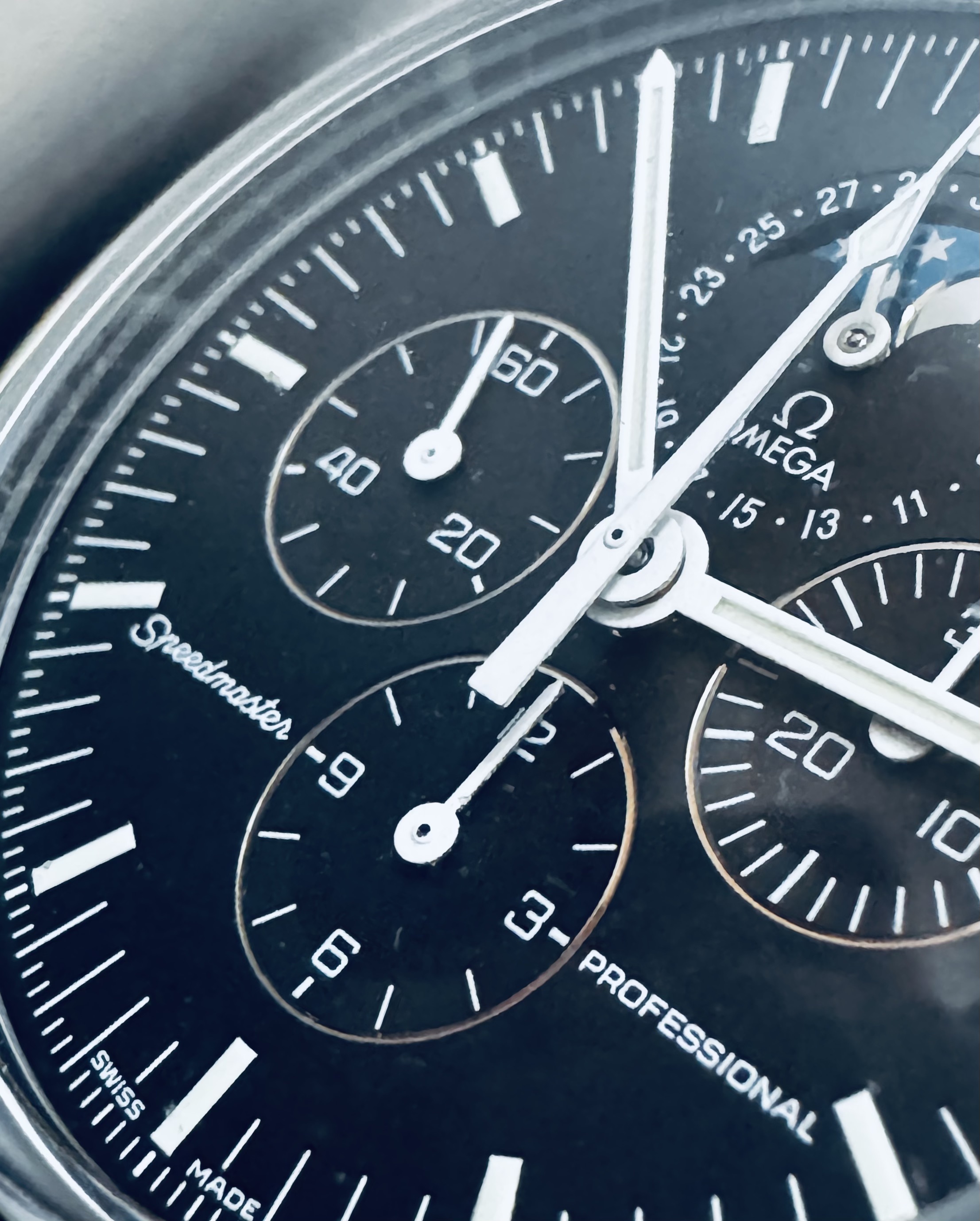
It is sold as the space race on the wrist. At the start, though, there is a far less glorious scene: a request for quotes and ordinary production chronographs put through merciless endurance testing. The story of a technical badge that became a myth.
In 1983 an ultrasonically welded plastic watch arrived in Zurich. Nobody yet saw the till that would buy Blancpain and Breguet. How an object costing fifty francs paid for the rebirth of Swiss mechanical watchmaking.
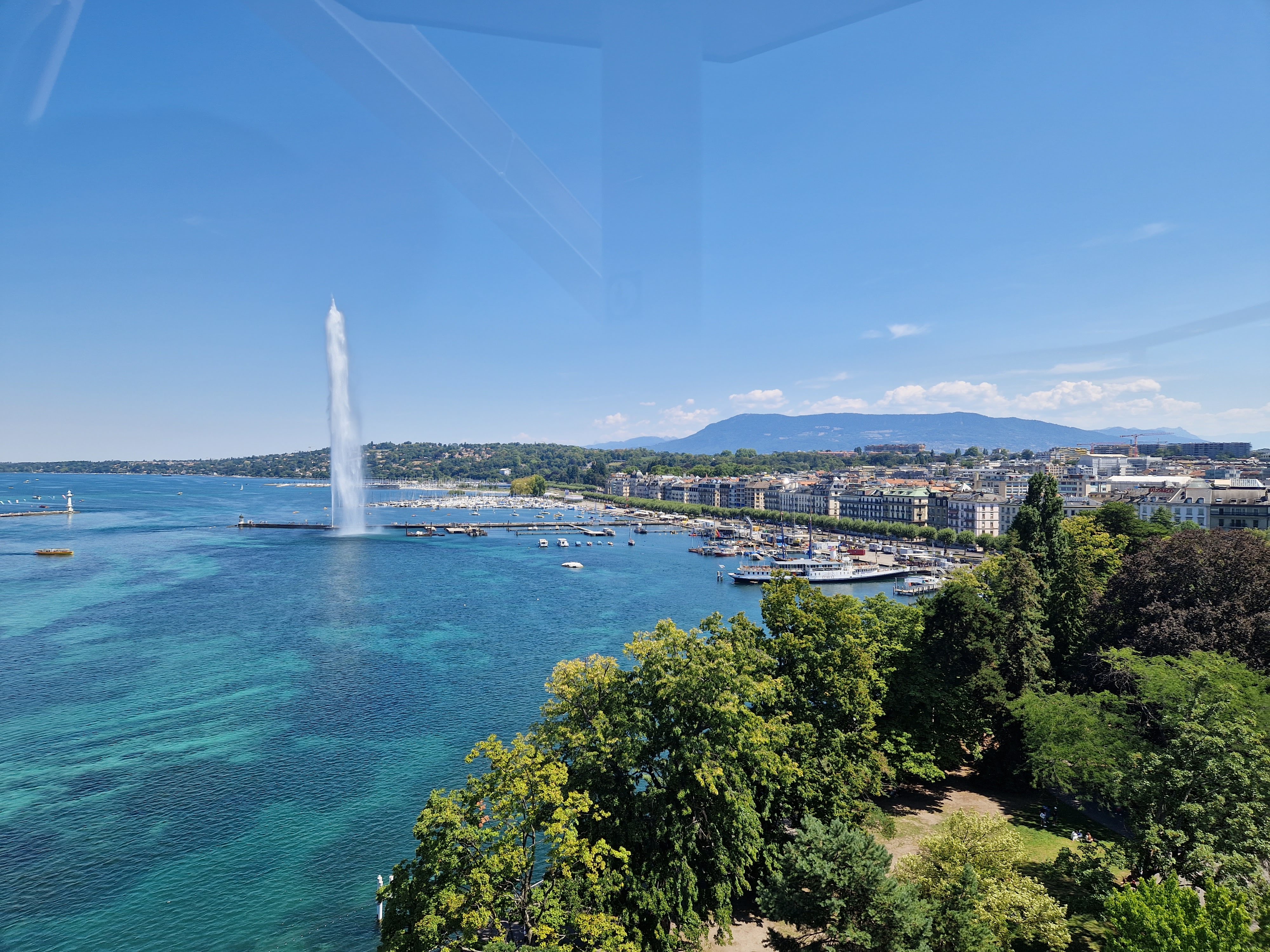
Swatch Group, Richemont, LVMH. Thirty years of acquisitions have concentrated dozens of brands in three pairs of hands, which hold the movements, the components and the shop windows. Yet the most powerful names at the top end escape them. The story of a real and partial power.
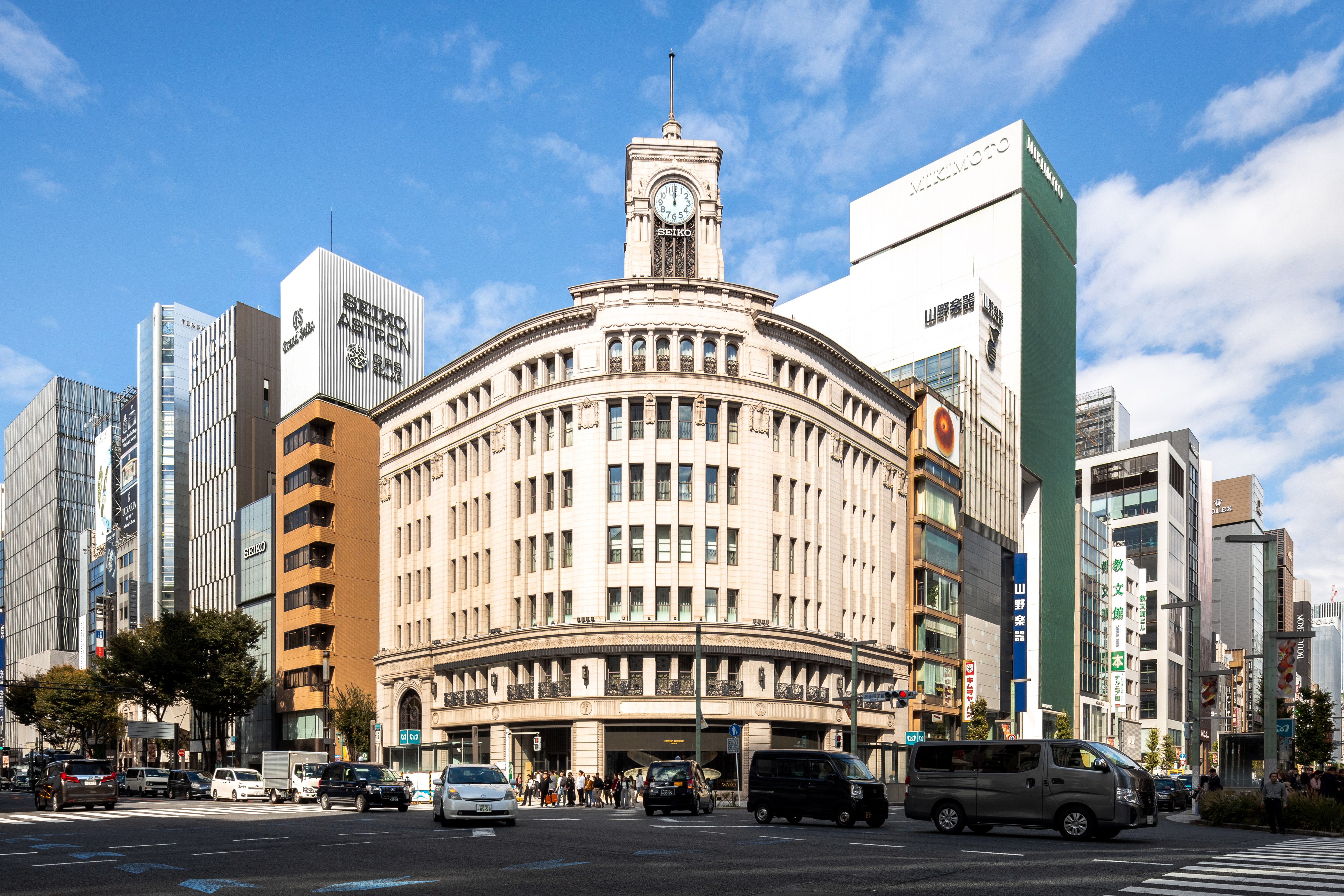
In the 1960s Switzerland looked down on Japanese watchmaking as cheap goods. Then Seiko climbed the rankings of the Neuchâtel and Geneva chronometry trials, until the trials closed. The story of a contempt that cost dearly.
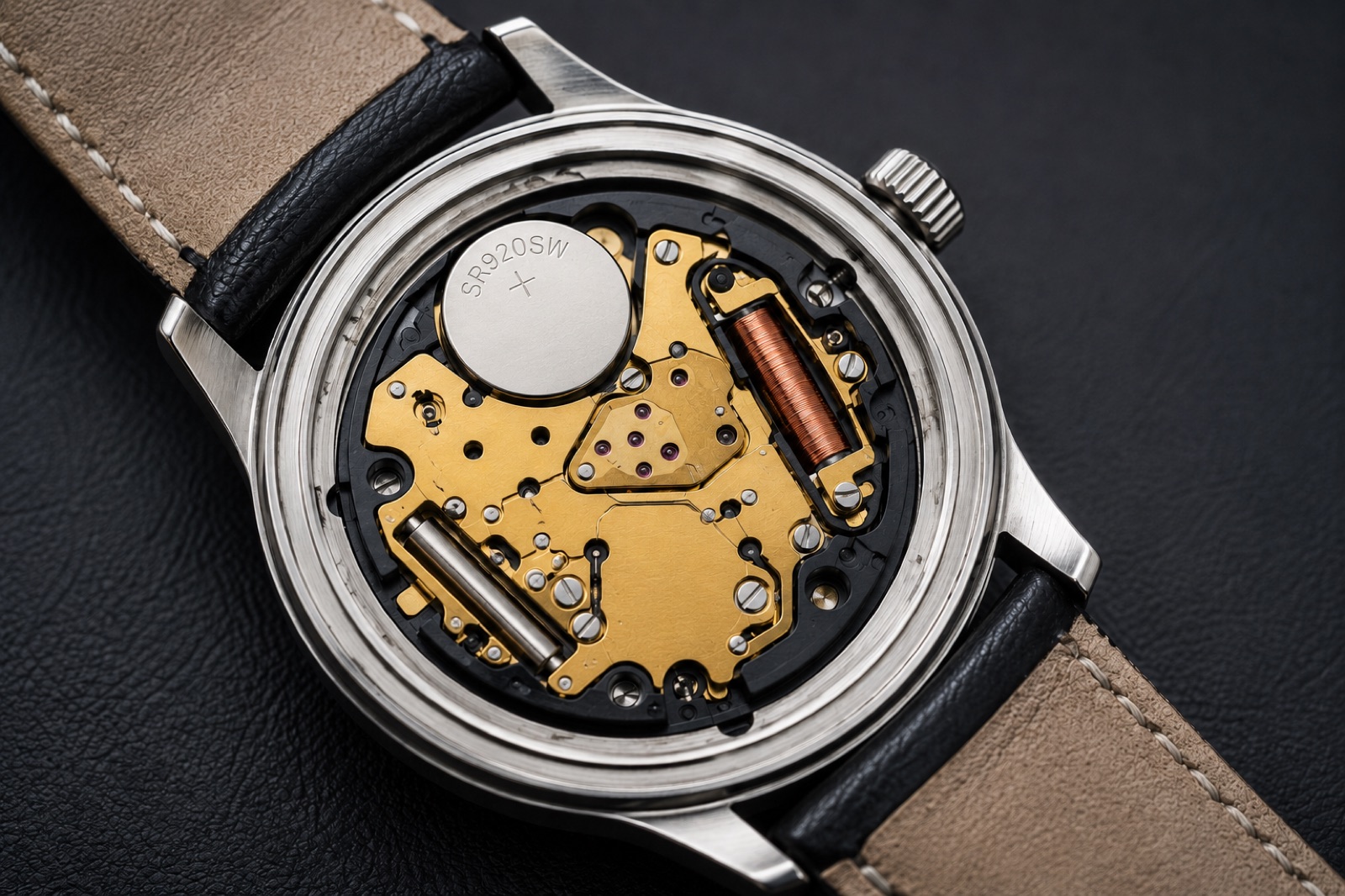
It took fifteen years for Swiss watchmaking to lose two thirds of its jobs. The blame has long fallen on a thin sliver of quartz out of Japan. The real story is more troubling.